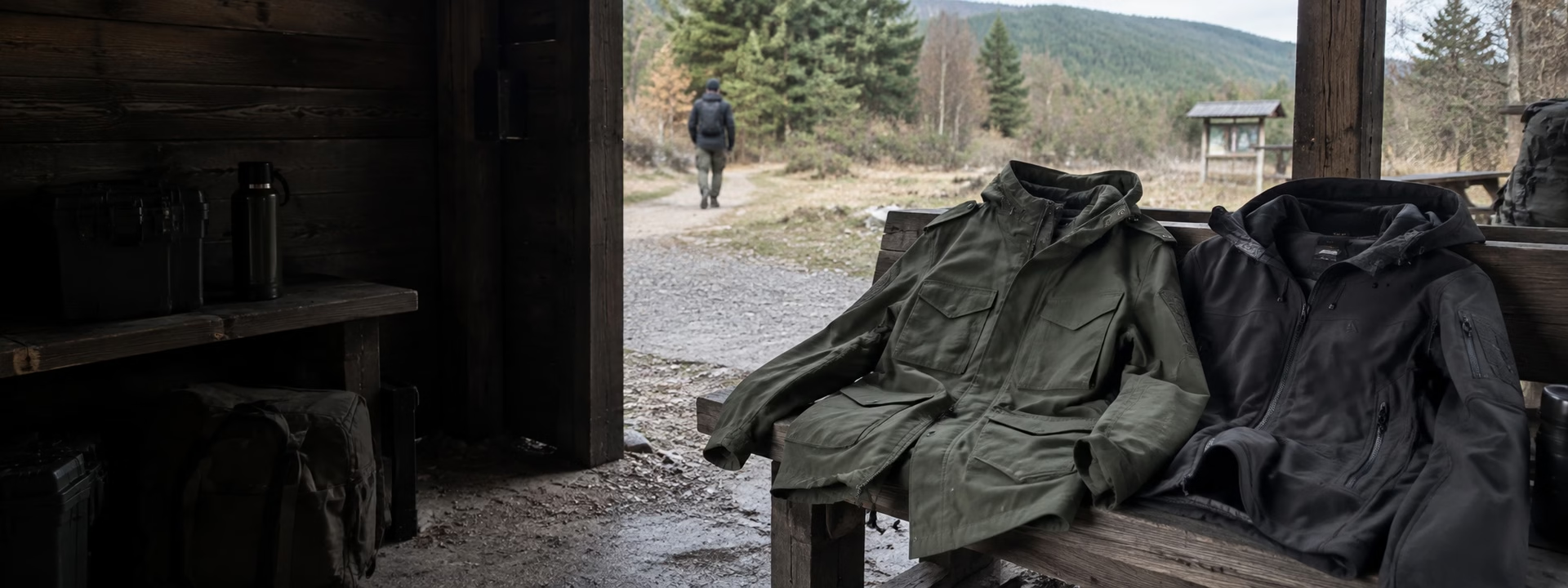
POLICE, MILITARY & TACTICAL APPAREL
Police, Military & Tactical Apparel Development and Manufacturing
Varytex supports uniform programs, specification-driven apparel projects, and tactical clothing brands with OEM/ODM development and manufacturing tailored to their garment requirements.
PROGRAM REQUIREMENTS
Different Apparel Programs Demand Different Requirements
Police uniforms, military apparel projects, and tactical clothing collections may share garment platforms, but their specifications and development priorities can differ significantly.
Varytex works from customer-defined requirements to address garment construction, material selection, functional details, and production consistency across different apparel programs.

Specification & Program Requirements
Uniform programs and specification-driven projects may require defined materials, colors, sizing, construction details, and documented product requirements.

Mobility & Ergonomics
Garment patterns, articulation, fit, and construction details need to accommodate movement, layering, and the intended conditions of use.

Functional Configuration
Pocket placement, closures, reinforcement areas, and equipment-related details vary according to garment function and customer specifications.

Durability & Production Consistency
Material selection, construction quality, and controlled specifications help support garment durability and consistency across production batches.
GARMENT PLATFORMS
Garment Platforms for Police, Military & Tactical Programs
Varytex develops and manufactures functional apparel across five garment families, adapting materials, construction, fit, and functional details to customer-defined uniform, military, and tactical apparel requirements.
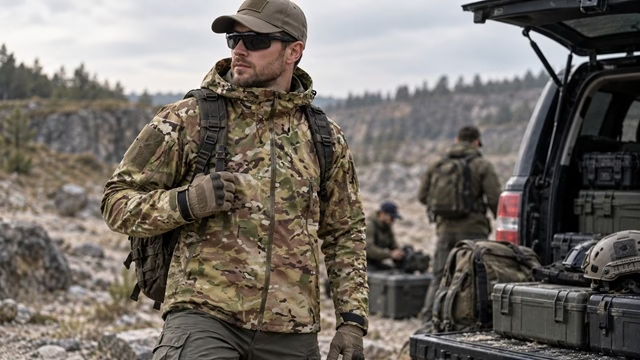
Jackets & Parkas
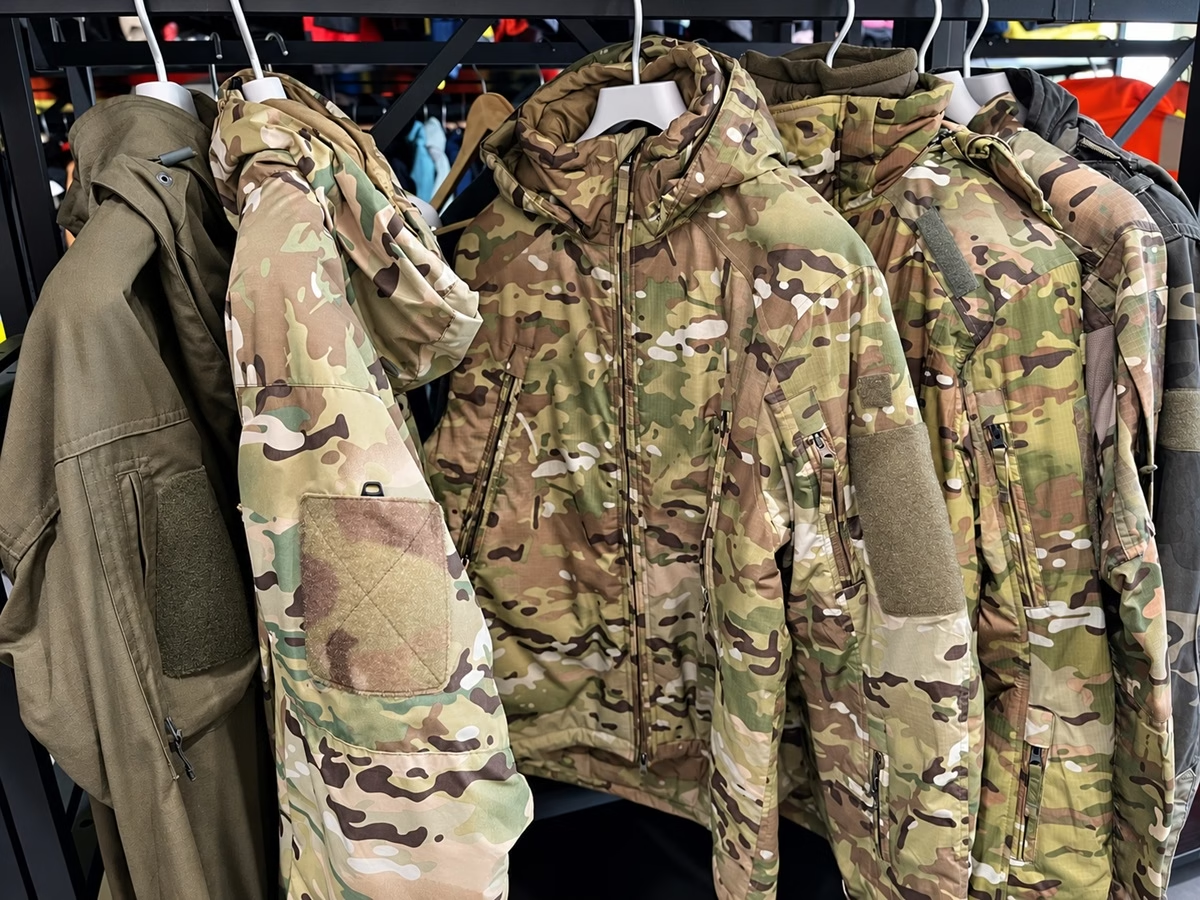
Outerwear developed for uniform and tactical apparel programs, with configurable materials, weather protection features, pocket layouts, and construction details.
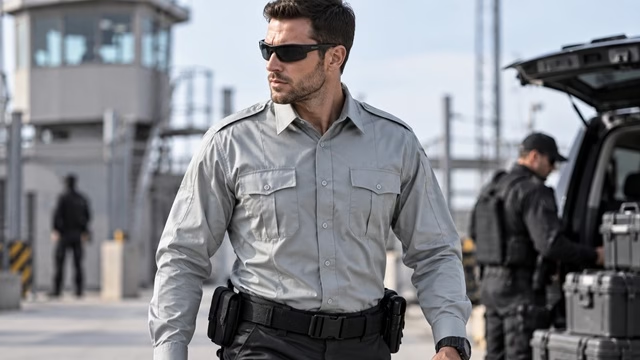
Shirts & Polos
Uniform and tactical shirt styles developed around specified fit, fabric selection, movement requirements, and functional details.
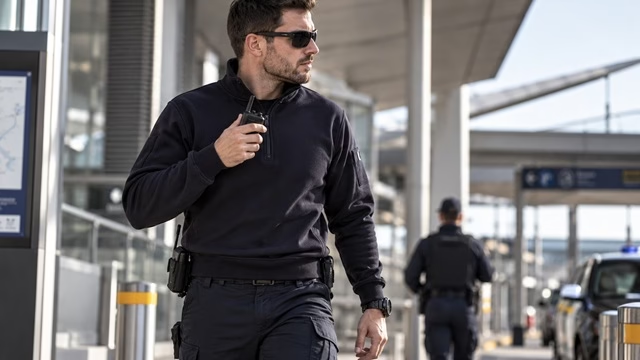
Sweatshirts & Fleeces
Mid-layer and fleece garments designed for comfort, layering, mobility, and compatibility with different uniform and tactical clothing systems.
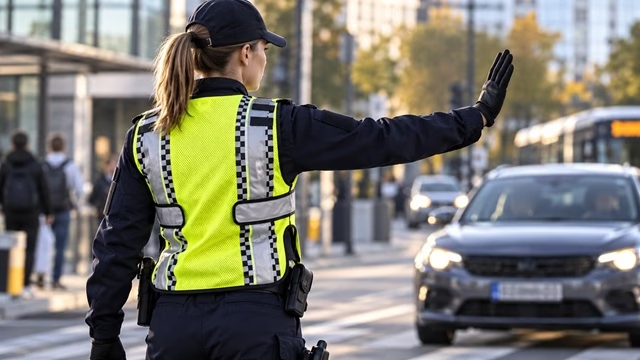
Vests & Bodywarmers
Functional vest and bodywarmer styles with configurable pocket arrangements, closures, insulation, and garment construction.
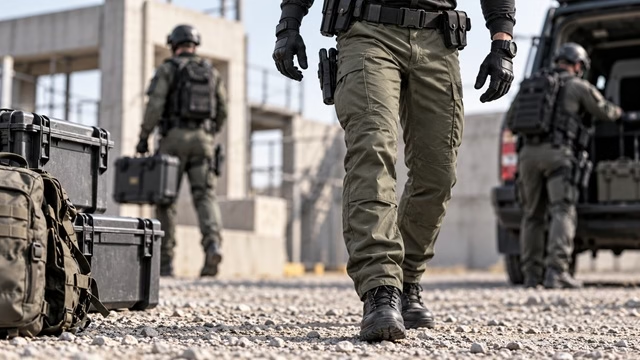
Trousers & Coveralls
Trousers and coveralls developed around fit, mobility, reinforcement details, pocket configurations, and project-specific construction requirements.
Garment configurations depend on project specifications. Individual styles can be adapted for different uniform and tactical apparel applications.
FROM REQUIREMENTS TO SPECIFICATION
Turning Program Requirements Into Garment Specifications
Police, military, and tactical apparel projects often begin with different levels of technical documentation, from established garment specifications to initial design concepts and functional requirements.
Varytex supports the development process by clarifying garment requirements, translating them into material and construction specifications, and aligning product details before sampling and production.

DEFINE THE REQUIREMENTS
Intended Use & Wearing Conditions
Customer Specifications
Fit, Sizing & Functional Details

DEVELOP THE GARMENT SPECIFICATION
Material & Trim Selection
Pattern & Construction Details
Technical Documentation

ALIGN BEFORE SAMPLING
Review of Garment Details
Confirmation of Key Specifications
Identification of Open Requirements
FUNCTIONAL GARMENT INTEGRATION
Functional Details Must Work Together in the Finished Garment
Police, military, and tactical apparel may combine requirements for mobility, durability, equipment access, and environmental comfort. These requirements need to be considered together because changes to one garment component can affect the performance and usability of others.
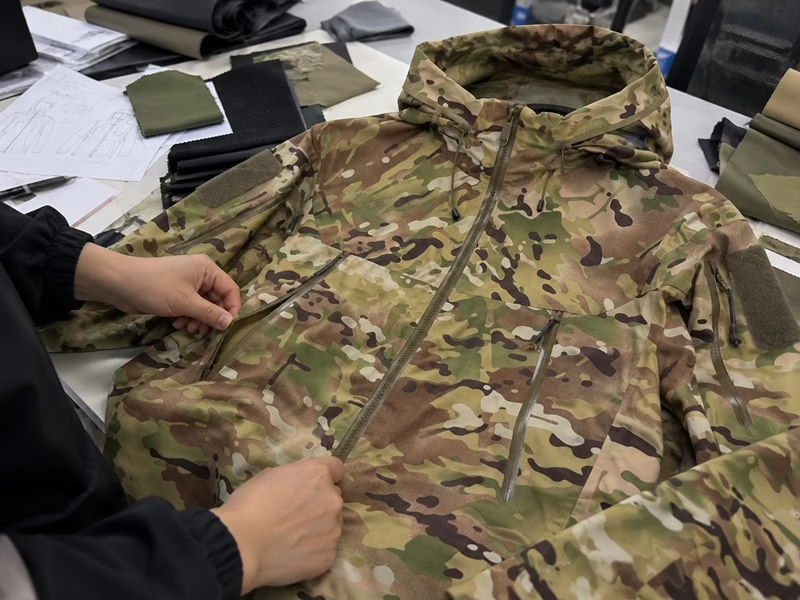
Garment Features Affect One Another
Pocket placement, reinforcement, pattern construction, and material selection can influence movement, comfort, and garment functionality. These details need to be considered as part of the overall garment design.
Integration Must Follow Intended Use
Functional configurations should reflect the intended wearing conditions, equipment requirements, and customer specifications rather than treating individual features as independent additions.
Design Changes Need to Be Reviewed Together
Changes to materials, construction, or functional details may affect other garment requirements. Related specifications should be reviewed to identify potential impacts before changes are approved.
MARKET PROGRAM SUPPORT
Supporting Different Police, Military & Tactical Apparel Programs
Police and public safety uniform programs, specification-driven military apparel projects, and tactical clothing brands often involve different procurement priorities and development expectations.
Varytex supports these different project approaches by working from customer specifications, reference garments, or initial design requirements. Whether the priority is uniform consistency, compliance with defined project specifications, or functional product development, the objective is to establish a garment solution that can be developed, reviewed, and prepared for production.
PRODUCTION CONTINUITY
From Approved Specifications to Consistent Apparel Production
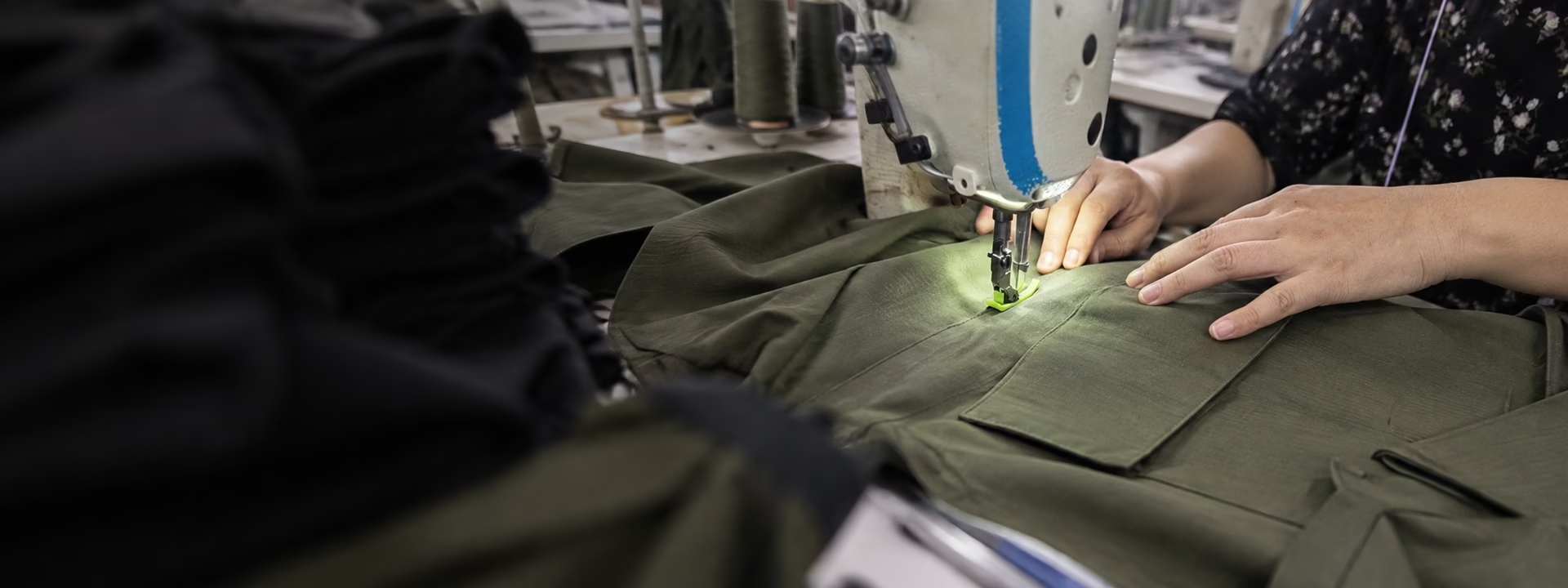
Once garment specifications and samples have been approved, production needs to remain aligned with the agreed materials, construction details, sizing, and functional requirements. For police, military, and tactical apparel programs, this alignment is especially important when consistency across production batches or repeat orders is required.
START YOUR PROJECT
Ready to Discuss Your Police, Military or Tactical Apparel Project?
Whether you have established garment specifications, reference samples, or an initial product concept, share your requirements with Varytex to discuss development options and manufacturing feasibility.