A waterproof fabric test provides evidence about the tested fabric under the specified test conditions. It does not by itself prove the waterproof performance of the finished garment.
Once the fabric is cut and sewn into a garment, seams, construction and the sealing process introduce variables that were not part of the original fabric test.
For buyers developing waterproof functional apparel, the important question is therefore not whether the fabric result matters, but what it actually proves and what still needs to be controlled after the fabric enters garment production.
What Does a Waterproof Fabric Test Actually Prove?
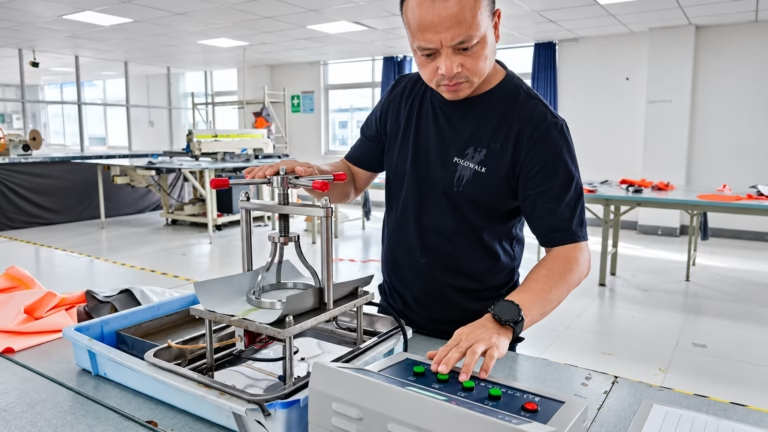
Hydrostatic-pressure methods such as ISO 811 and AATCC TM127 evaluate a textile fabric’s resistance to water penetration under specified test conditions.
A result from this type of test provides evidence about the tested fabric’s resistance to water penetration under those conditions. Where a performance requirement has been defined, the result can then be assessed against that requirement.
It does not by itself establish how seams, construction or the finished garment will perform after that fabric enters manufacturing.
A fabric test result is evidence at a specific level.
That distinction becomes important as soon as the material is converted into a garment.
What Changes When the Fabric Becomes a Garment?
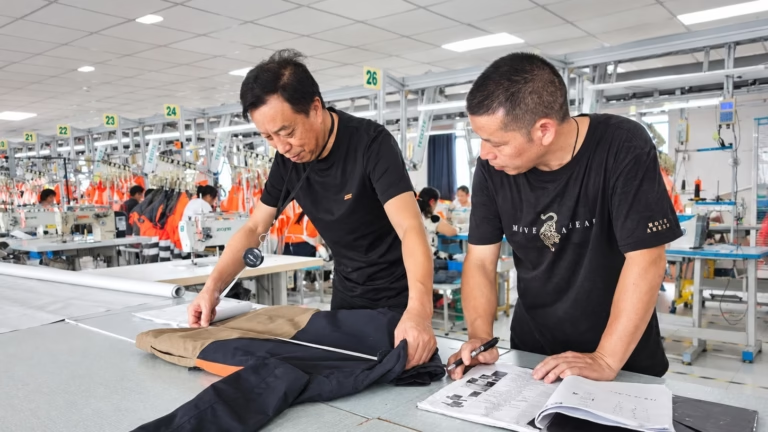
Cutting and sewing introduce construction that was not present in the original fabric test. Fabric pieces are joined, stitched areas are created, and multiple layers may meet at seams.
For garments that rely on seam sealing as part of their waterproof construction, the question is no longer limited to the fabric. The actual seam construction must work with the selected material system and sealing process.
A fabric may therefore meet the required hydrostatic-pressure target while other parts of the finished construction still require their own control and validation.
The development question has changed from:
Does this fabric meet the requirement?
to:
Can this material be converted into the required garment construction while maintaining the intended performance?
Why Seam Sealing Is More Than Adding Seam Tape
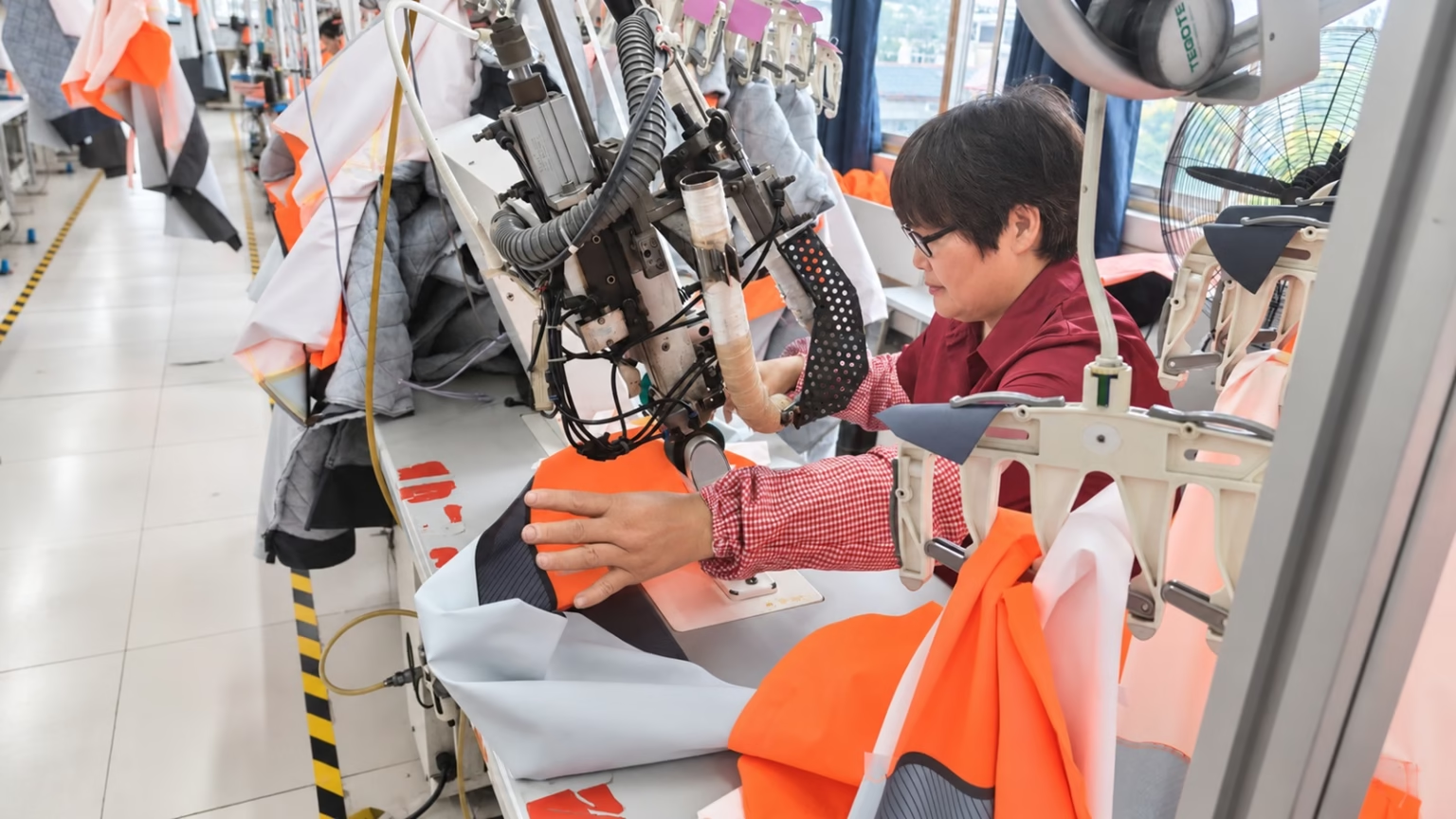
At Varytex, a candidate seam tape is evaluated with the actual material system. Development can involve trial pressing, adjustment of sealing parameters, adhesion or hydrostatic checks, and further adjustment before the combination is confirmed for production.
The fabric or membrane system, seam tape, construction and sealing process have to work together.
A tape that works with one material does not automatically establish the suitability of another fabric-and-tape combination. Construction also matters: thicker or multilayer seam areas, for example, can make heat sealing more difficult to control.
Selecting a waterproof fabric and a seam tape is therefore not the same as validating the construction made from them.
Why Seam-Sealing Parameters Are Not One Fixed Recipe
Previous production experience helps when setting up seam sealing, but it does not mean one set of parameters can simply be carried from one garment to another.
In Varytex’s production experience, different fabrics, seam tapes and machines can require different sealing parameters. Even a different production lot of the same fabric may require adjustment.
Varytex normally starts with settings informed by previous experience, tests the actual material-and-tape combination, adjusts the settings where necessary, and checks the result again before confirming production-suitable parameters.
In simplified form:
Experience-informed starting point → trial → test → adjustment → retest → production-suitable setting
Experience helps establish where to start. The actual combination still determines what needs to be confirmed.
This type of manufacturing process control continues when production begins rather than ending once an initial setting has been selected.
Why Visual Inspection and Performance Evidence Are Not the Same Thing
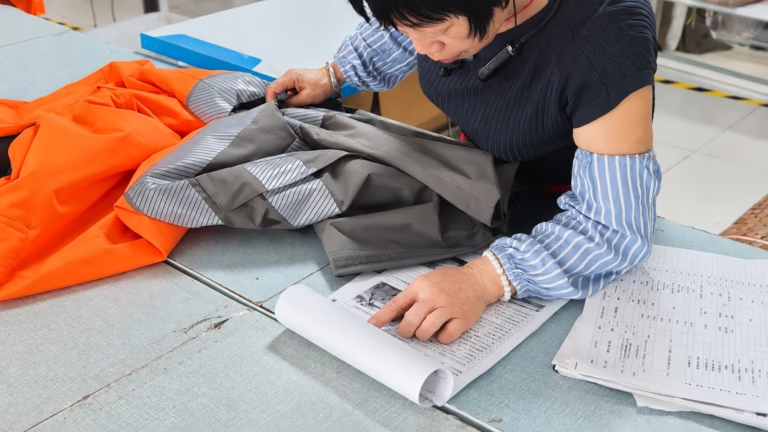
Visual inspection can identify visible workmanship or construction problems. It cannot by itself establish seam adhesion or hydrostatic performance.
A sealed seam can look acceptable while the relevant performance question still requires an appropriate check or test.
Visual inspection and performance validation therefore provide different types of information about the garment.
The Evidence Should Match the Claim You Need to Make
A useful way to review waterproof-garment evidence is to ask what was actually tested.
Fabric-level evidence tells you about the tested material.
Seam or construction evidence addresses the relevant constructed area or system under the conditions evaluated.
Finished-product evidence addresses the garment at the finished-product level when that level of validation is required.
These are not a mandatory three-step testing sequence for every waterproof garment. The appropriate validation route depends on the buyer’s requirements, intended performance claim, applicable standard and project.
Evidence also needs to remain relevant when the material system changes. At Varytex, for example, a change to the coating or membrane is treated as requiring retesting rather than assuming that the previous result still applies to the changed material.
The evidence used to support a claim should correspond to the material, construction or finished-product performance being claimed.
What Buyers Should Define Before Waterproof Garment Development
For an OEM/ODM project, describing a garment only as “waterproof” may not provide enough information to define the development and validation target.
Where possible, buyers should clarify the required performance, any applicable standard or specified value, and what level of evidence the project is expected to provide.
Useful questions include:
- Does the selected fabric meet the required material-level performance?
- Has the seam-tape and material combination been evaluated under the intended construction and sealing process?
- Have suitable production conditions been established for the actual construction?
- What additional validation is required for the intended garment-level claim?
If these requirements are not defined, the manufacturer may need to clarify them with the buyer before development proceeds.
A fabric test result remains an important starting point. Once that fabric enters garment manufacturing, however, the relevant system includes the material, construction, sealing process and the evidence needed to support the intended finished-garment requirement.
See How Varytex Approaches Quality and Validation
Explore how quality control, in-process verification and functional validation are integrated into Varytex garment manufacturing.